September’s Seed Saving Jobs
September is an ideal time to collect and store seed, share successful varieties, and prepare for another season of growing.
Save a Seed, Grow a Community
September is the month best known in the growing calendar as harvest time. However, the harvest from a community garden doesn't have to end with the vegetables and fruit.
Look closely at the garden and you'll see many seeds forming on both edible and non-edible plants.
Bean and radish seeds are swelling in their pods. Calendula and nasturtium seeds are turning from green to light brown. Countless other plants are doing the same thing, preparing for another generation.
This is the perfect time for community gardeners to start seed saving.
Start with Healthy Plants
Choose a few healthy, vigorous plants and allow their seeds to mature.
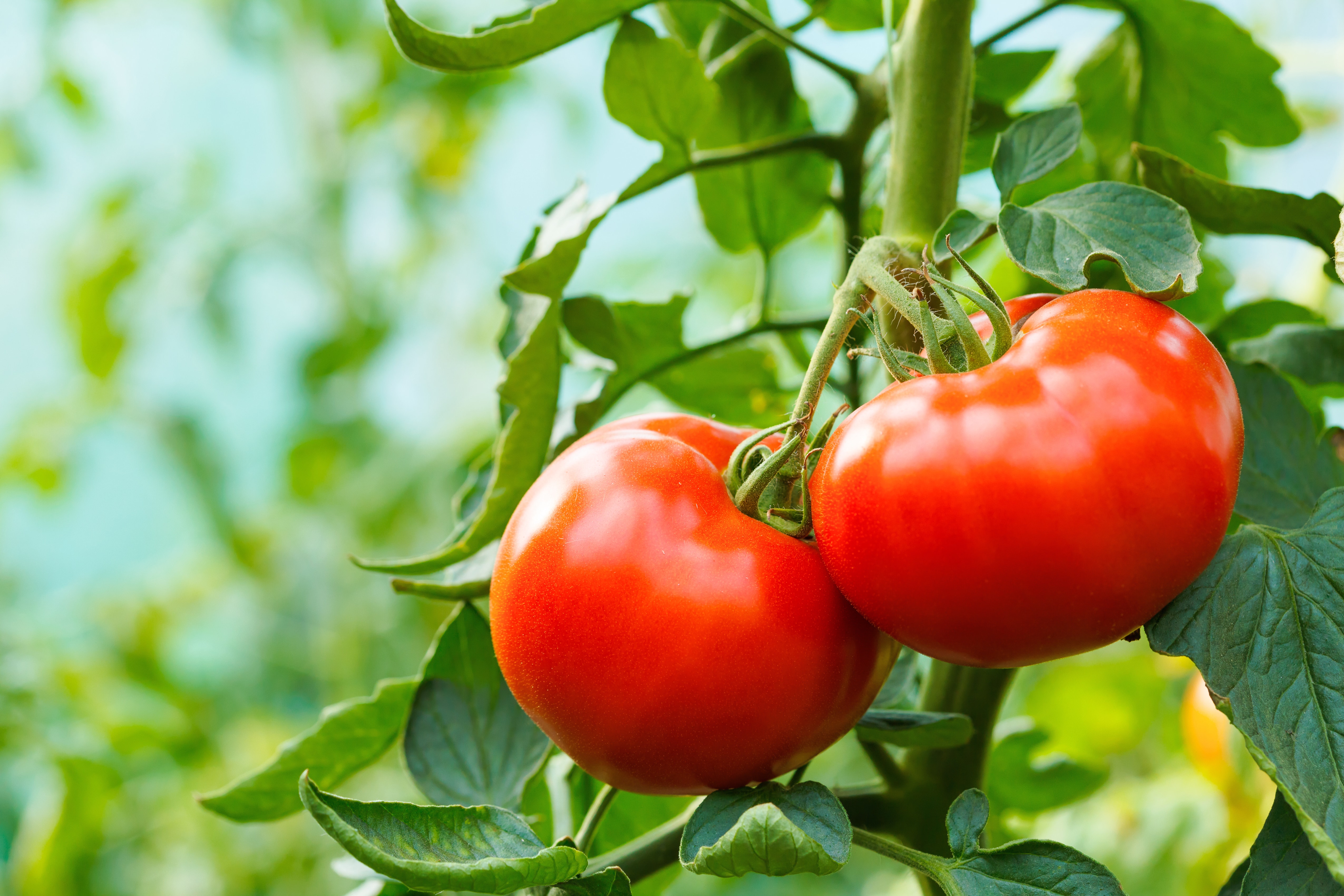
Look for plants that have performed particularly well. Perhaps a tomato produced an especially good crop, a bean resisted disease, or a calendula flowered for months.
Those are the plants worth considering for seed saving.
Don't simply collect the first seed you see.
Ideally, choose seed from several healthy plants rather than relying on a single individual.
In the process, you'll obtain mixed genetic diversity, which is important for the continued health of successive generations of plants.

Know When Seed is Ready
September is a useful month because many plants are reaching maturity. However, seed doesn't all ripen in the same way or at the same time.
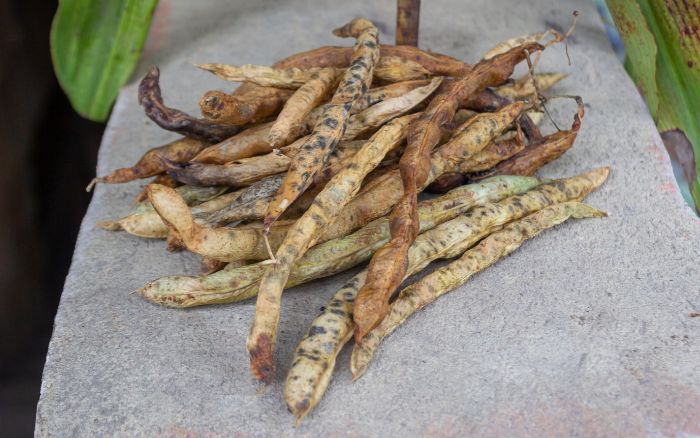
Some seedheads will turn brown and dry. Pods may become papery or begin to split. Meanwhile, beans should be allowed to mature fully on the plant.
A good general rule is to collect seed on a dry day, once the morning damp has disappeared. Seed collected whilst wet is much more likely to develop mould during storage.
Label Everything Immediately
It seems obvious, but label seed before you place it in your basket or bag. A tray of mysterious brown seeds becomes surprisingly difficult to identify after a few weeks!
Record:
- Plant name
- Variety, if known
- Where it was grown
- Date collected
- Who collected it
That last detail is worth keeping.
Imagine opening a community seed box in five years and finding packets labelled 'Runner bean – grown and saved by Dave – September 2026'.
Suddenly, the seed has become part of the garden's history.
Give Seeds Time to Dry
After collecting, spread seeds somewhere dry and well-ventilated.
Don't put freshly collected seed straight into sealed containers. It needs to dry thoroughly first.
Once dry, remove as much plant debris as practical. Then, store the seed in labelled paper envelopes or suitable containers.
A cool, dark, and dry place is ideal. If storing seed in sheds, be sure to put paper envelopes inside a metal tin. Come the cold winter months, mice and voles will munch through envelopes looking for the food contained within those seeds!
And keep the records somewhere safe too!
Don't Forget the Wildlife
There is an important balance to strike.
If your community garden is also trying to support wildlife, don't harvest every last seedhead.
Birds need seeds too.
Leaving some sunflowers, teasels, grasses, and other seed-producing plants standing can provide valuable autumn and winter food.
Think of it as a shared harvest. The gardeners take some; the birds take some; the plant gets to reproduce. Therefore, everyone benefits!

Build a Community Seed Library
Once you've saved more seed than you need, you can turn a simple gardening job into a community project. For example, create a seed library.
It could be a box in the garden shed or a drawer in the community centre. Alternatively, create a collection of envelopes kept by the garden group.
Encourage volunteers to contribute surplus seed and take what they would like to grow.
You could even create a simple rule. For every packet taken, gardeners are encouraged to save and return seed when they can.
Not every plant will produce seed that comes true to type, particularly hybrids. Therefore, it is worth recording varieties accurately and explaining this to new seed savers.
However, resulting plants don't always need to be identical to their parents. Seed saving can still be a fascinating way of discovering what your garden produces.
Share Beyond the Garden
September is also an excellent time to exchange seed with other community gardens.
Perhaps your garden has particularly successful runner beans, while another local group has grown wonderful beetroot.
A small seed swap can turn one year's successful crops into next year's shared resources.
Schools, allotment groups, gardening clubs, and local food-growing projects may all be interested.


Hold a Seed-Saving Afternoon
Why not make seed saving into a social event?
Put a table somewhere sheltered. Bring out envelopes, labels, and pens. Then, collect seed together, clean it, sort it, and package it.
Someone will inevitably know the best way to separate poppy seed from its dried capsule. Someone else will have a favourite bean variety that they've saved for years.
That's the beauty of community gardening. Knowledge gets passed between people as readily as seed gets passed between gardens.
And don't underestimate the value of the tea break.
A table covered with seed packets and mugs of tea is a very good place for gardening conversations to happen.
Start a Garden Seed Record
If your community garden doesn't already keep records, September is the perfect time to start.
Make a note of which:
- varieties performed well
- crops struggled
- plants flowered for longest
- attracted the most pollinators
- produced abundant seed
- volunteers saved seed