

Summer survivors: Grow your own vegetables
Long, sunny days are wonderful for crops in community gardens and allotments, until the rain comes to an abrupt halt!
With hotter, drier summers becoming more common across the UK, consider how to grow your own vegetables successfully.
Some crops positively revel in sunshine and lack of rain, whilst others struggle when temperatures soar.
Constant watering can become a daily challenge, but you may be surprised how many vegetable crops thrive in harsh conditions.
Choose the best vegetables to grow for the weather, and you'll spend less time watering and more time harvesting.
Heat Heroes: Drought-Tolerant Vegetables
The following veg love sunshine and cope surprisingly well with drought conditions once established.
They have adapted through deep root systems, rapid growth and/or thick leaves.
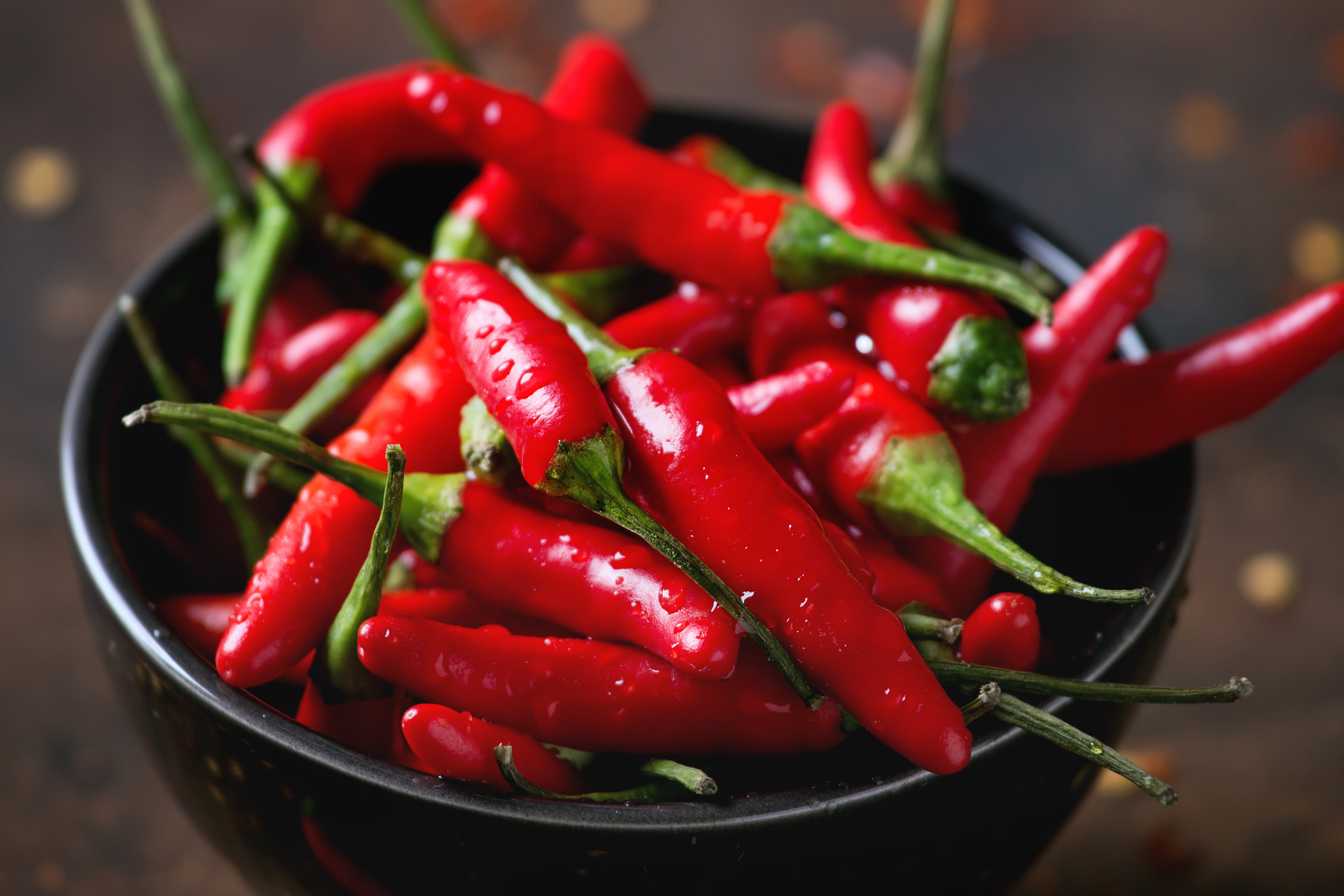
Chillies & Sweet Peppers
Native to warmer climates, peppers adore heat.
A sunny wall, greenhouse, or sheltered patio is ideal, and they'll happily keep producing when other plants are wilting.
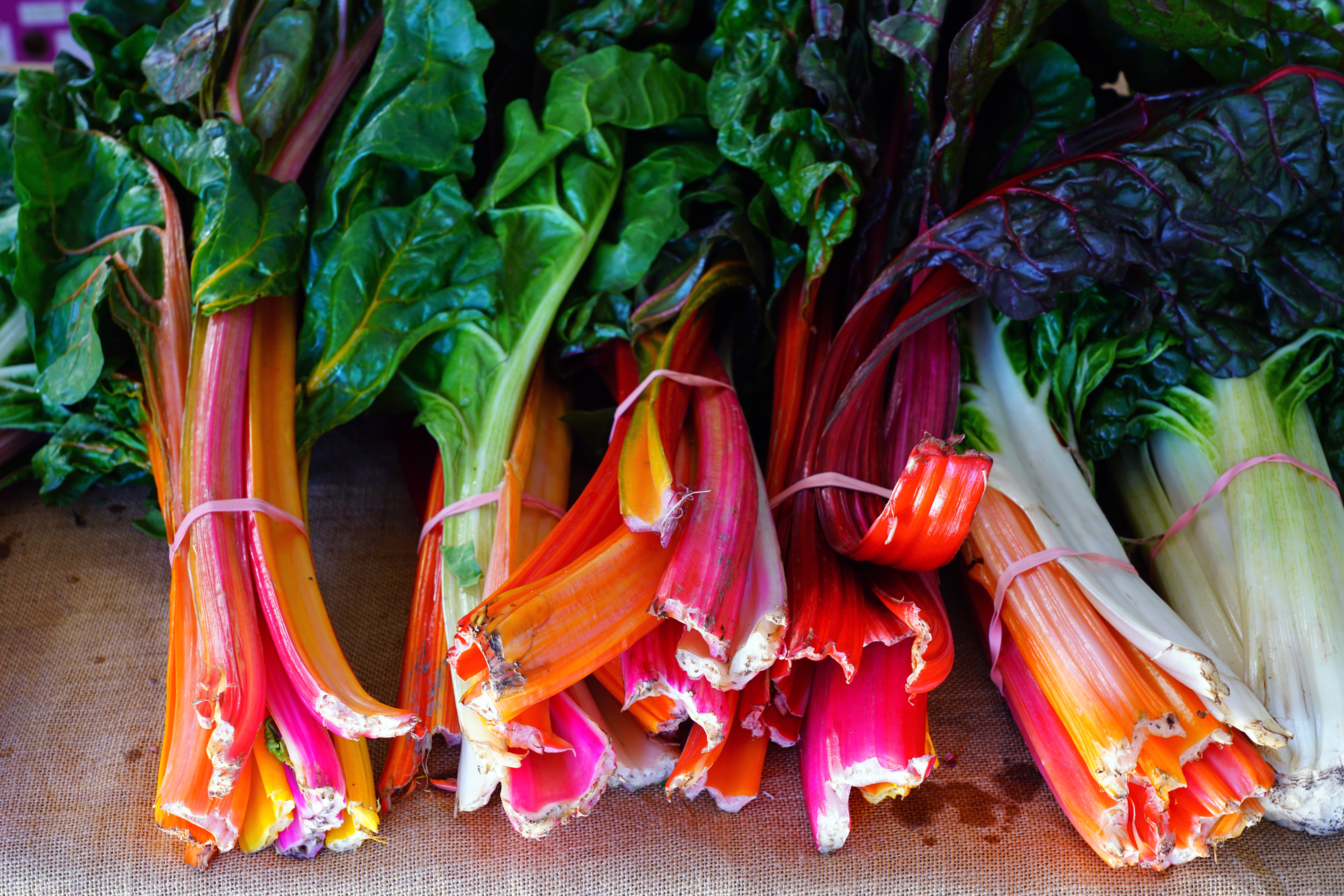
Swiss Chard
Chard is one of the most productive leafy veg and grows well in drought conditions, in sun or part shade.
Its fleshy leaves, thick stems, and extensive root system help it cope.
It will also keep producing fresh leaves well into the autumn months.
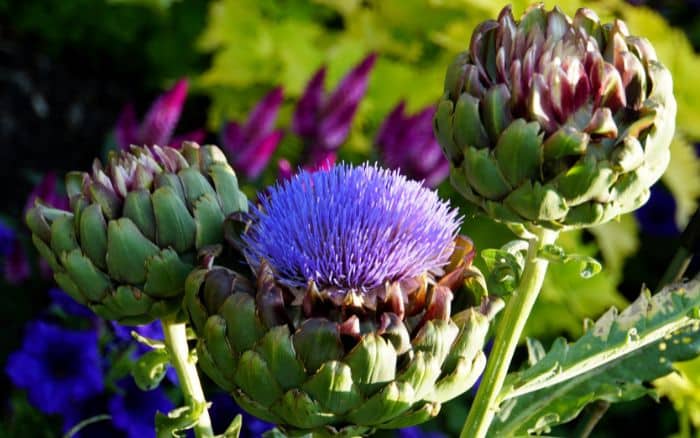
Globe Artichokes
Along with sweet potatoes, globe artichokes are among the most drought-tolerant vegetables to grow.
They are adapted to hot, dry conditions, and have the added advantage of being a perennial crop.
this means they reappear year after year.
Top Tip
Give them plenty of space when planting as, when mature, they can spread to around 150cm/59".
Sweet Potatoes
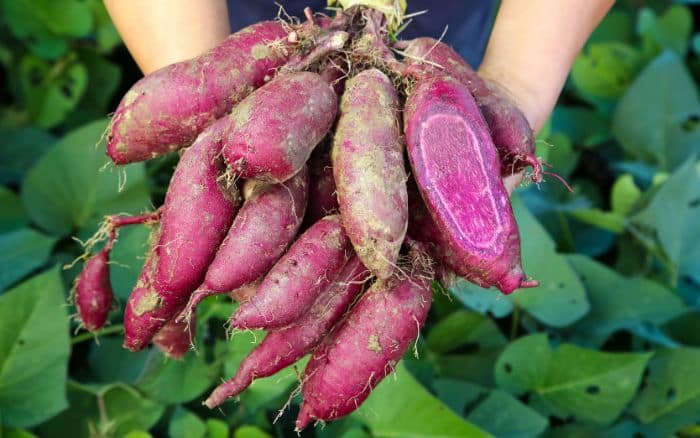
If one crop has benefited from Britain's increasingly warm summers, it's the sweet potato.
Unlike ordinary potatoes, sweet potatoes are tropical plants that need a long, warm growing season to produce a worthwhile harvest.
They thrive in prolonged sunshine, warm soil and relatively dry conditions once established.
In cooler, wetter summers, they often produce lots of leafy growth, but disappointingly small tubers.
With our summers becoming hotter, more community gardeners are discovering that sweet potatoes are becoming a realistic outdoor crop.
They can also be rewarding to grow in many parts of the UK.
Top Tip
Plant in the warmest, sunniest part of your plot and avoid overwatering once plants are well established.
Warm soil and waiting until early autumn to harvest are the secrets to a good crop.
Aubergines
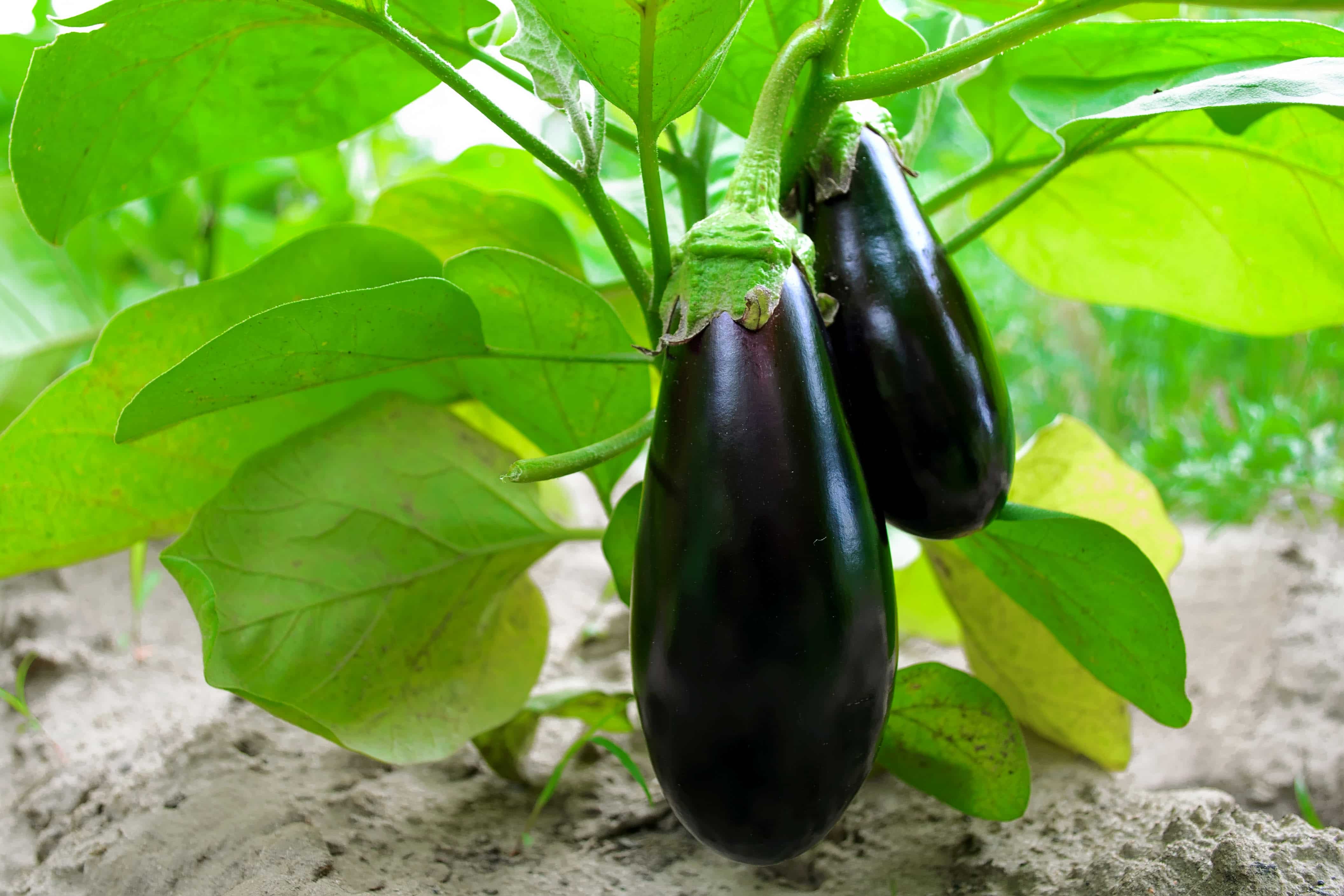
If ever there was a vegetable made for hot summers, it's the aubergine.
Given plenty of sunshine, these Mediterranean favourites reward gardeners with glossy fruits and attractive flowers.
They generally need a long growing season and prolonged sunshine to ripen.
Tomatoes
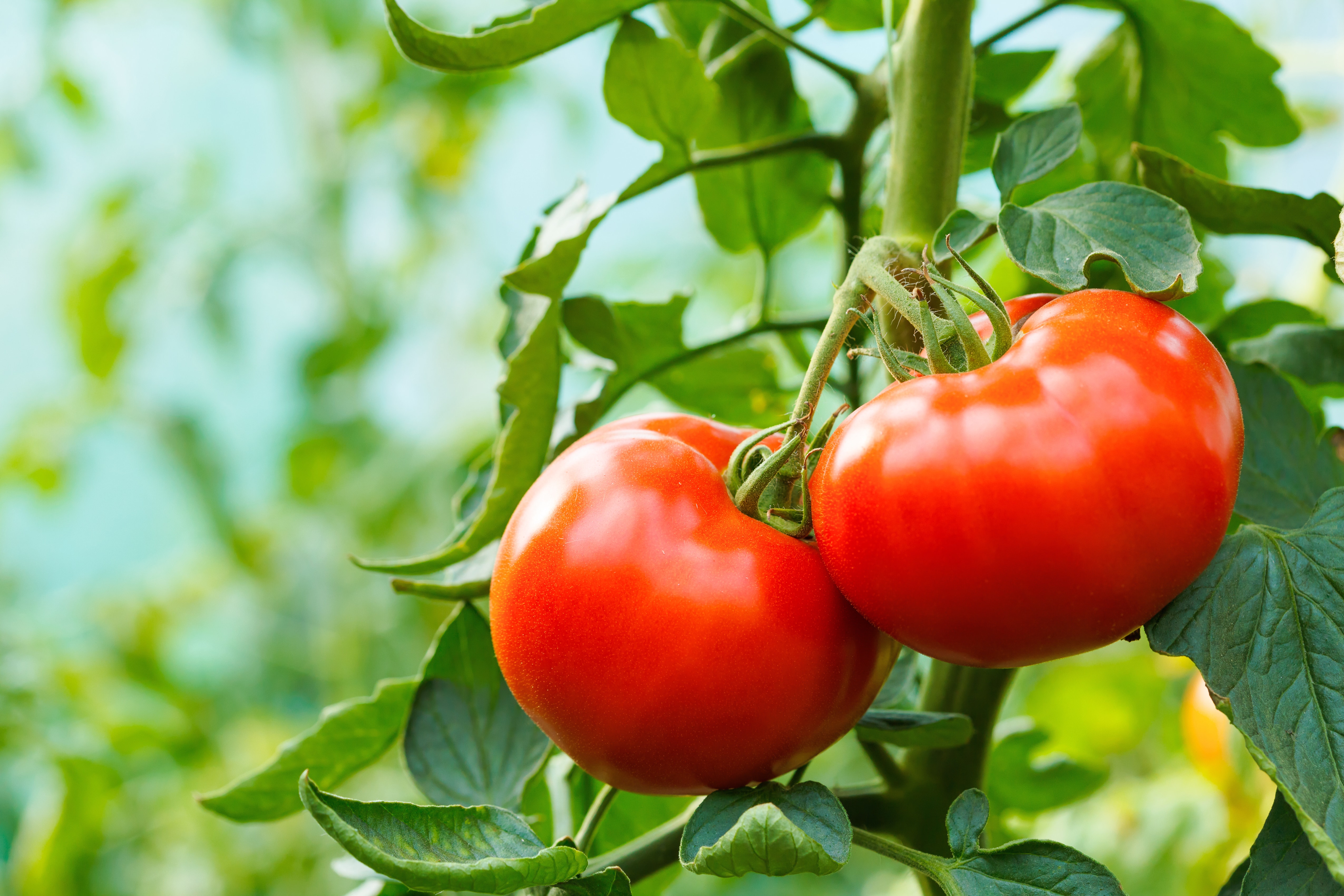
Tomatoes thrive in warm, sunny conditions, and, after long spells of sunshine, produce sweeter fruit.
They do, however, need constant watering.
If many other crops withstand drought, you'll have more time and available water for those needing regular, consistent watering.
Top Tip
Water the base of plants every few days rather than little and often. Be careful with your watering regime, as irregular watering can cause fruits to split or develop blossom end rot.
French Beans
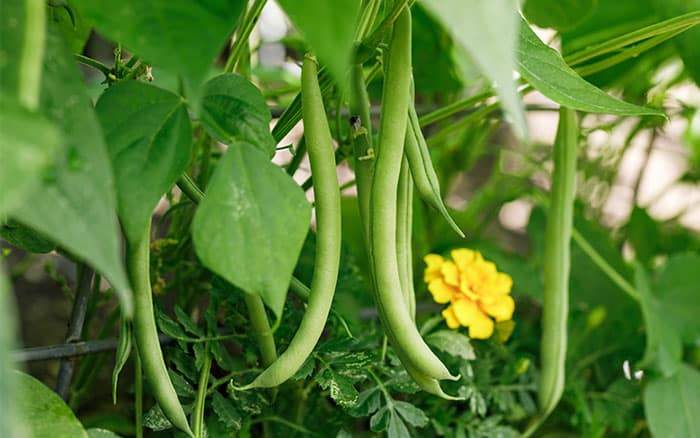
French beans are much happier in hot, sunny weather than many people realise.
Originally from Central and South America, they flourish when daytime temperatures rise.
They continue cropping well through warm, dry spells, provided they receive an occasional deep watering.
Both dwarf and climbing French beans are excellent choices for gardens experiencing hotter summers.
Their flowers also cope well with heat, so they're less likely to stop setting pods during hot weather.
Other climbing beans
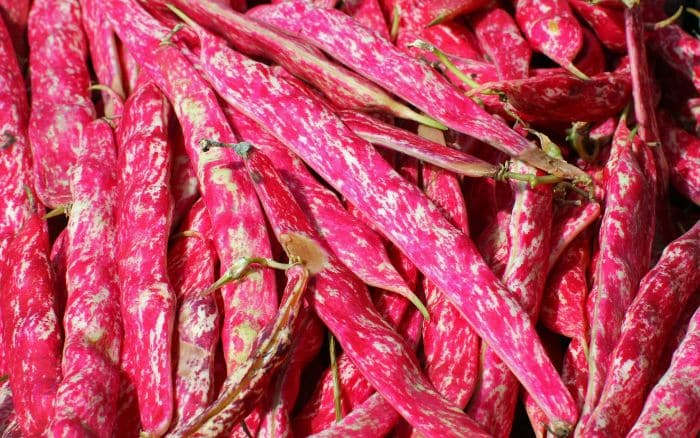
Many climbing beans grown for drying or shelling, such as Borlotti, also relish warm conditions.
These beans originate from regions with long, sunny summers and are naturally adapted to higher temperatures.
They cope better with heat than traditional runner beans.
They will, however, need deep watering during prolonged dry spells.
They should reward gardeners with heavy crops if also grown in fertile soil.
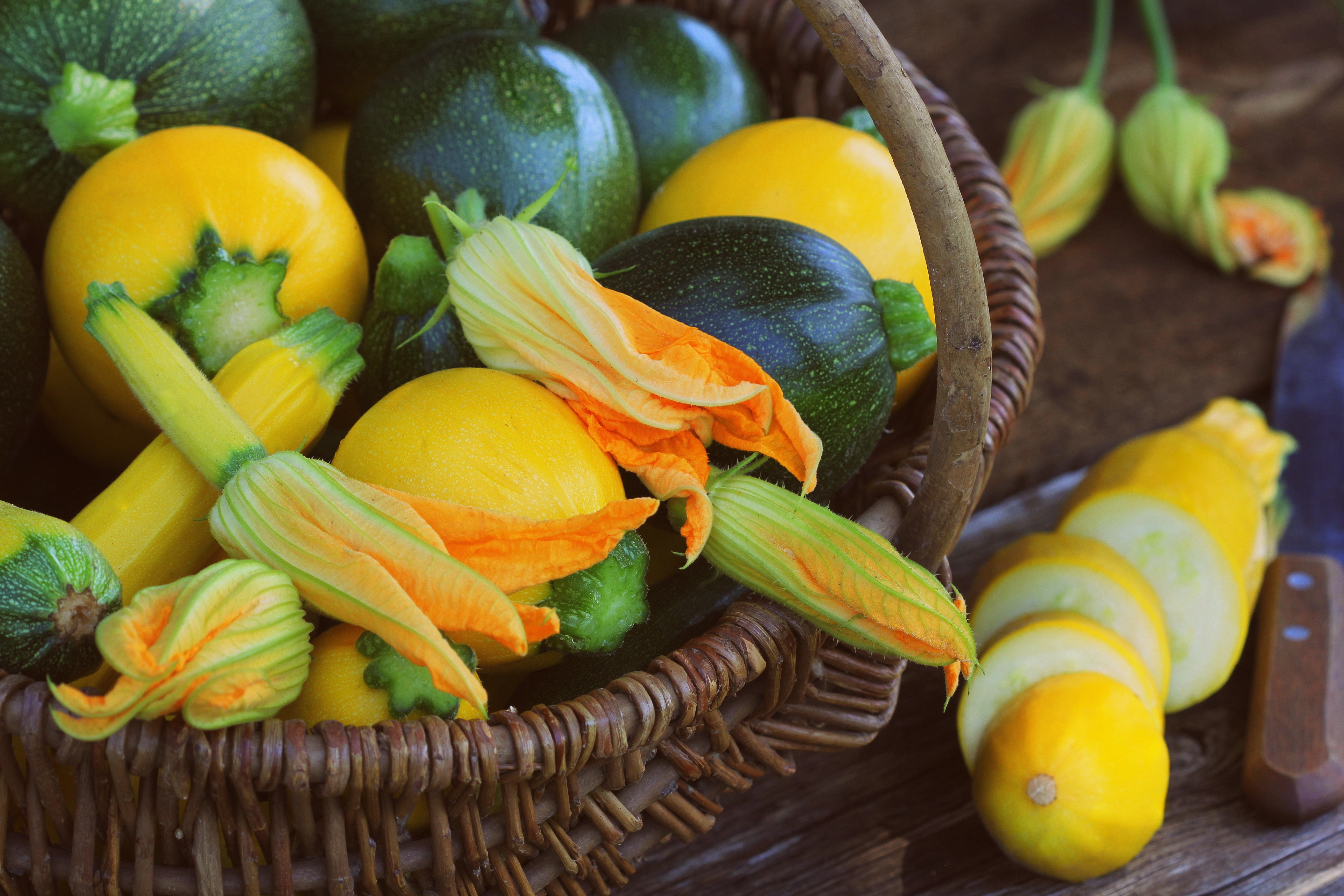
Squash, Pumpkins & Courgettes
Although these plants have enormous leaves that can lose plenty of water, they develop extensive root systems.
These enable them to seek out water when needed.
Given a good soak once or twice a week, they'll continue cropping throughout dry spells.
This is better than daily sprinkling.
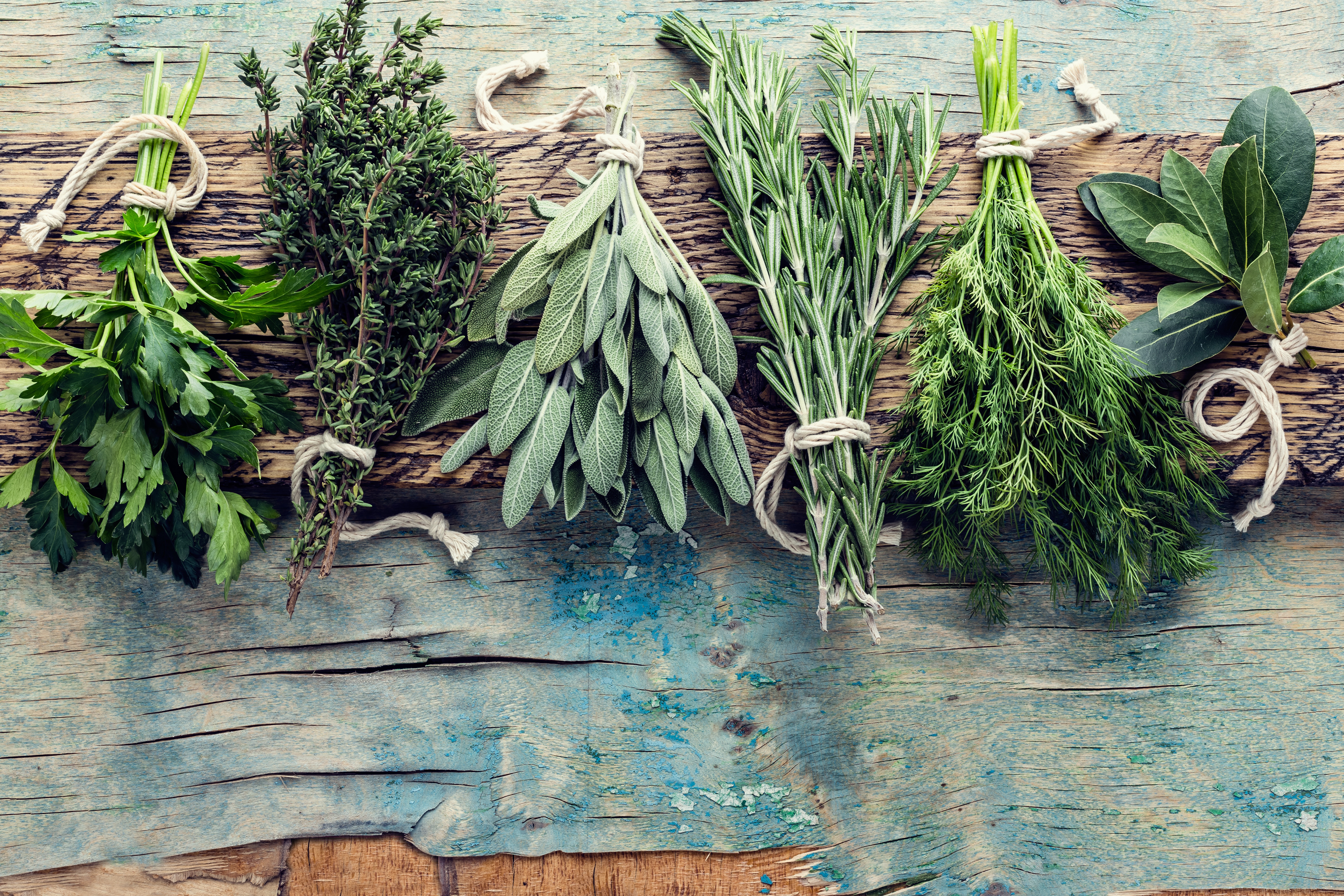
Rosemary, Thyme & Sage
After centuries of coping with predictably wet British summers, these Mediterranean herbs should positively thrive in hotter, drier conditions.
They actually prefer drier conditions and often produce stronger flavours when not overwatered.
Heat Heroes: Drought-Tolerant Vegetables
Some crops simply don't enjoy prolonged heat and dry soil.
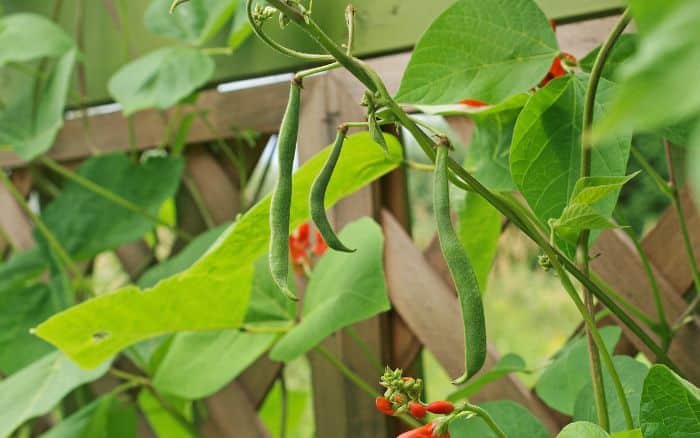
Runner Beans
Runner beans may look similar to heat-loving French beans, but are a very different plant. Native to cool, mountainous regions of Central America, they like warm but not excessively hot conditions.
During extended spells of high temperatures, especially when nights remain warm, their flowers will often fail to set pods. They may simply drop from the plant.
This can be dealt with by spraying the flowers with water. If you're in an area with a hosepipe ban, use a spray bottle. Even with enough water, however, flowering can slow dramatically during a heatwave.
If you really love runner beans, plant them in an area where they'll get the afternoon shade. Ideally, grow them in moisture-retentive soil. Incorporating plenty of organic matter into the plant holes will also help.
Mulching around the base after watering can be beneficial too, as runner bean plants are shallow-rooted.
If long, hot summers become the norm, many gardeners may find French beans become the more reliable crop.
Lettuce
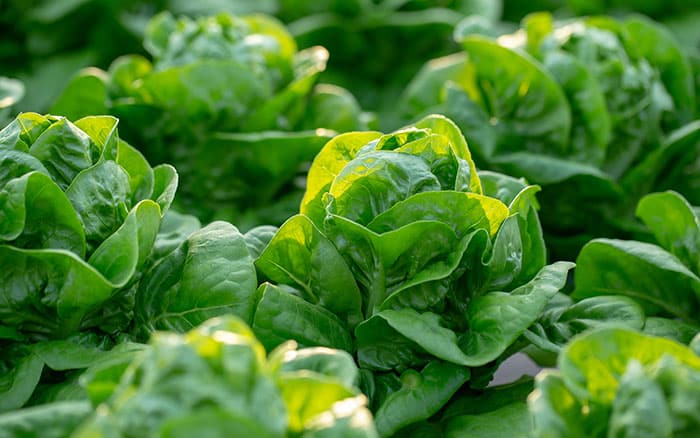
Lettuce is usually one of the first casualties of hot weather. For starters, it won't germinate if the conditions are too warm.
Excess heat induces what's known as 'heat-induced dormancy', where the seed refuses to germinate. For this reason, lettuce can be sown and grow well in partly shaded conditions. Dry conditions cause the plant leaves to become bitter and bolt.
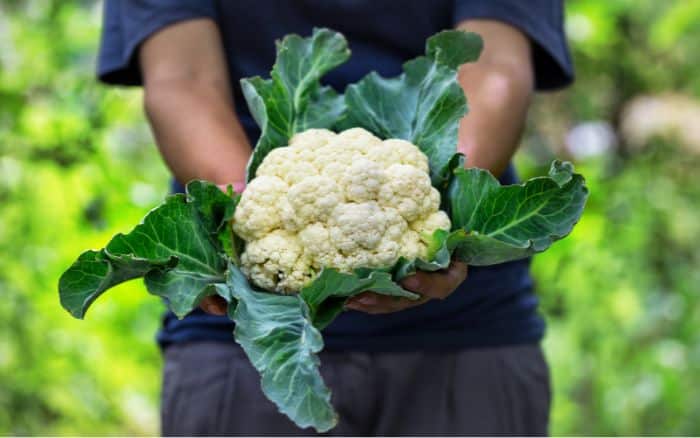
Cauliflower
These highly sensitive brassicas often respond to dry soil conditions with stunted growth and small heads.
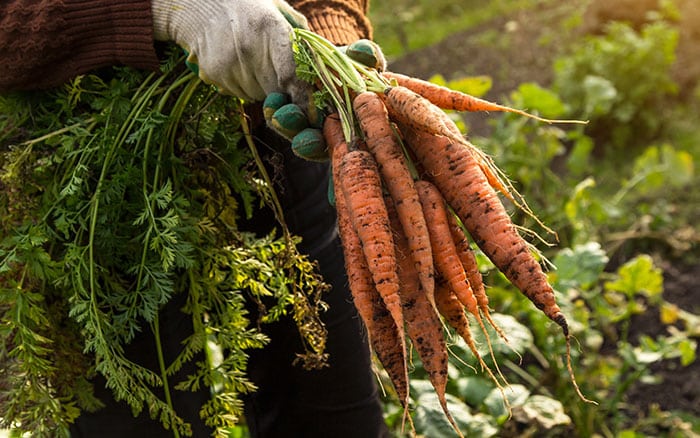
Carrots
Baked, dry soil will often cause the root to split and develop a bitter taste.
Celery
Traditionally grown in moist fenland soil, celery becomes difficult to grow well in drought conditions. The stems become tough, bitter, and stringy.
Climate Change Winners
Maybe now's the time to turn attention to growing crops once considered difficult. These include sweet potatoes, melons, chillies, aubergines and outdoor grapes.
All are now becoming increasingly successful as our summers become warmer. Choosing crops suited to these conditions can help you grow your own vegetables more successfully through hot, dry summers.