

Make Your Community Garden a Winter Wildlife Haven
Once high summer has passed and many summer crops have been harvested, September is a wonderful time to consider wildlife. Think about the creatures that share your community garden and how you can help them through the forthcoming winter months.
As summer turns into autumn, insects will still be searching for nectar, while birds will be looking for seeds and berries. Meanwhile, countless other tiny creatures will be searching for somewhere sheltered to spend the colder months.
The wonderful news is that a community garden can provide all these things, provided the temptation to tidy everything away is resisted!
Leave a Little Mess for Wildlife
This doesn't mean abandoning the garden. Instead, think about creating a balance between managed areas and those that are left 'untidy'.
A well-maintained path alongside a patch where grasses and seedheads remain can provide a calming, orderly contrast. Similarly, a formal flower bed can blend harmoniously alongside a small pile of logs or prunings.
Remember, wildlife doesn't need the whole garden to be wild. It just needs somewhere to live and safe areas to move around without being detected by predators.
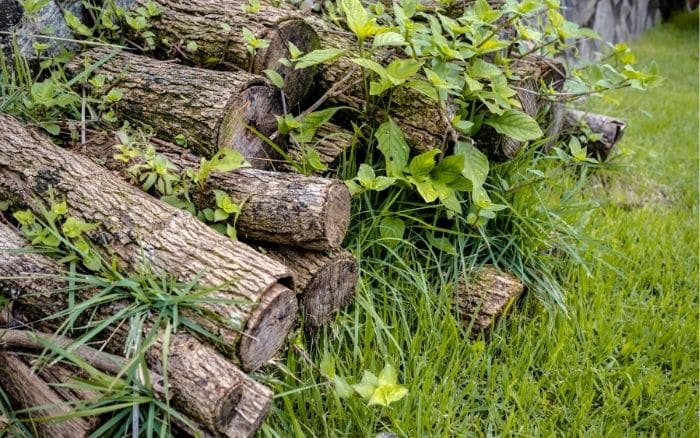
This doesn't mean abandoning the garden. Instead, think about creating a balance between managed areas and those that are left 'untidy'.
A well-maintained path alongside a patch where grasses and seedheads remain can provide a calming, orderly contrast. Similarly, a formal flower bed can blend harmoniously alongside a small pile of logs or prunings.
Remember, wildlife doesn't need the whole garden to be wild. It just needs somewhere to live and safe areas to move around without being detected by predators.
Keep the Late-Season Flowers Coming
September can still offer plenty of food for pollinating insects.
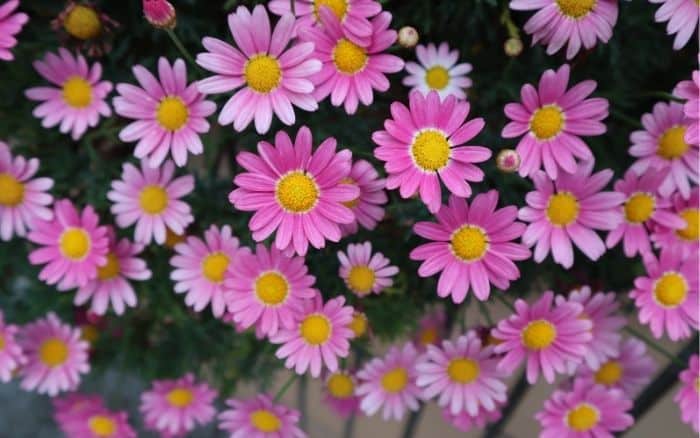
Late-flowering plants such as asters, sedums, rudbeckias and ivy can provide valuable nectar after many other perennials have finished flowering.
Also, when deadheading, don't automatically remove every fading flower. If a plant is still attracting bees, hoverflies or butterflies, it may be better to leave it flowering a little longer. Additionally, consider whether the developing seedheads might provide food for birds later in the year.
Remember, the perfect moment for a gardener might not necessarily be the perfect moment for wildlife!
Create a Small Wildlife Hotel Without Buying One
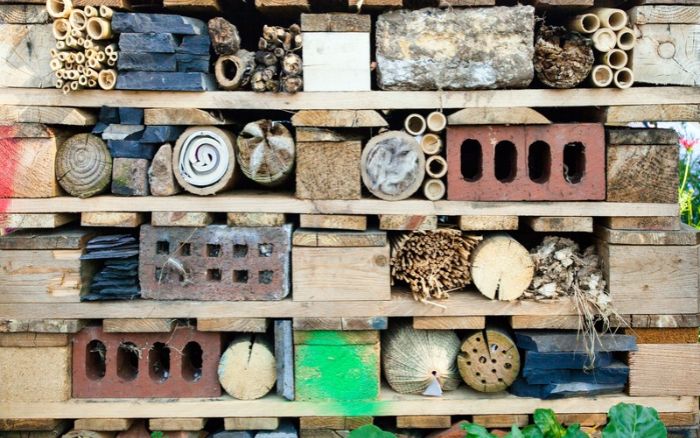
A pile of short logs, branches, hollow stems, bark and other untreated woody material can provide much-needed shelter for wildlife. These materials offer protection from both the elements and predators, making them valuable additions to a community garden.
You can place these items in reasonably dry corners of the garden, as well as allowing natural materials to accumulate.

A small pile of leaves can provide wonderful habitat for overwintering creatures, especially when left undisturbed beneath hedges.
The important thing is not to make everything too neat. After all, nature is remarkably good at turning apparently useless material into habitat.
Give Wildlife a Drink
Providing sources of water throughout the garden is another simple, but hugely important, addition for wildlife.
If your community garden has a pond, make sure there are shallow areas where insects and other creatures can drink safely. Additionally, irrespective of the depth, always provide a method of escape for any wildlife that might fall in.
The easiest way is to position a section of wood or a branch diagonally across the pond's edge. Place one end in the water and the other on the soil alongside it.
If a pond isn't practical, shallow containers, such as buried washing-up bowls, can be a huge help. Place a few stones or pebbles inside so insects have somewhere to land without falling into deeper water.
Remember to check containers regularly and keep them topped up during dry spells. Also, bear in mind that wind can dry out water sources very quickly.

Leave Some Food Behind for Wildlife
September often produces an abundance of seeds, berries and fruit.
Whilst it's tempting to harvest everything or remove fallen fruit immediately, remember to leave some for wildlife. Windfall apples can provide a source of water as well as food for birds and many other creatures.
Rose hips, hawthorn berries, blackberries, sunflower seeds and many ornamental seedheads can all provide valuable food.
This is also an excellent opportunity to involve children. Ask them to make a simple list of all the different foods they can see wildlife eating during September.
You may discover that the garden is providing a much bigger autumn feast than you realised.
Think About Next Spring
September is also the time to think ahead.
Planting spring-flowering bulbs such as crocuses and grape hyacinths is a wonderful community activity that can be done now. These plants will provide pollinators with an early food source next year, when relatively little else may be flowering.
For a more naturalised look, throw bulbs over your shoulder and plant them where they land!
This creates natural-looking clusters and drifts rather than perfectly regimented rows, making it a great fun activity for volunteers!

Make a Wildlife Corner
If space allows, why not designate one small part of the community garden as a wildlife area?
It doesn't need to be large.
Let a patch of grass grow longer. Leave some fallen leaves. Add a few logs. Allow wildflowers to appear. Put in a shallow dish of water. Plant a few late- and early-flowering plants.
Then, put up a small sign explaining what the area is for.
That sign can be surprisingly important. In a community garden, one volunteer's idea of 'untidy' may be another volunteer's idea of 'wonderful habitat'.
A sign makes it clear that the mess is intentional!
The September Wildlife Challenge
At your next volunteer session, take ten minutes to walk around the garden together and ask four questions:
- What's flowering?
- What is producing seed or fruit?
- Where could wildlife shelter?
- What can be left alone?
You might be surprised by just how much wildlife habitat is already there.
The best wildlife garden isn't necessarily the one with the longest list of wildlife-friendly plants. Instead, it's often the one where wildlife is allowed to complete its life cycle.
So, this month, before reaching for the secateurs, pause for a moment. That faded flower may be tomorrow's bird food, while that pile of leaves could become a winter home.
And that slightly untidy corner may turn out to be the busiest area for wildlife in your entire community garden!